siem reap – cambodia
Angkor Nature Observatory
& Angkor Area Exploration
Naturalist Exploration & Scientific Eco-Tourism by Christophe Guénolé
A scientific and vibrant immersion into the heart of Angkor’s ecosystems
Far from the usual tourist trails, embark on an exclusive naturalist exploration guided by Christophe Guénolé, environmental naturalist researcher. Over the course of a morning, discover the unsuspected richness of fauna, flora, and ethnobotanical traditions shaping the countryside and forest edges of Angkor
Experience Overview
Meeting at dawn or before 9:00 AM – End of exploration around 12:00 PM
Guided walking tour at an observation pace
Christophe Guénolé (Environmental Naturalist Researcher)
Nature enthusiasts, biodiversity lovers, wildlife photographers, families
Botany, entomology, ornithology, herpetology, ethnobotany,
wet-season mycology & landscape ecology
Morning Program
1- Encounter & Observation of wildlife
The exploration begins in the cool morning hours, just as wildlife awakens and becomes fully active:
- Forest Edge & Paddy Field Birds: Observation of birdlife inhabiting the transition zone between cultivated fields and the forest (flycatchers, herons, kingfishers, bee-eaters).
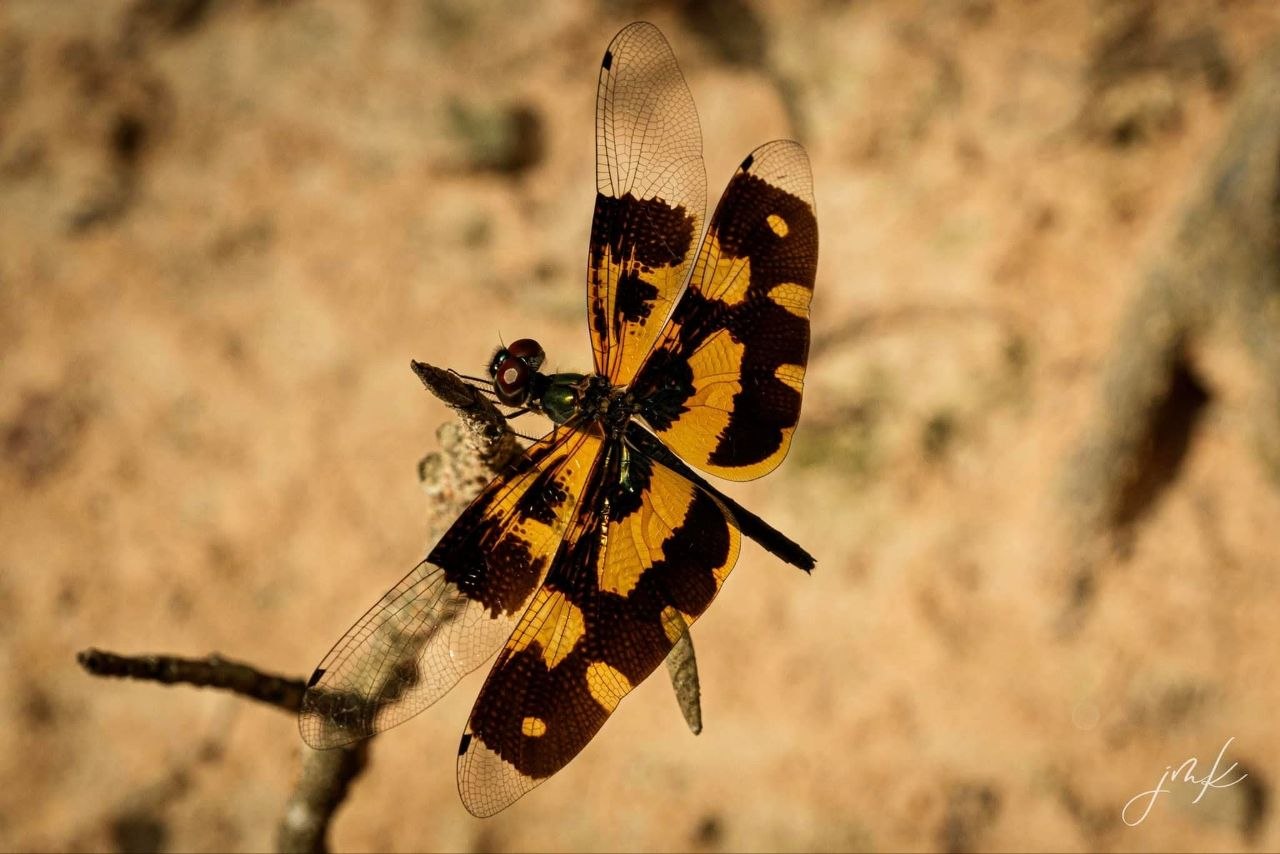
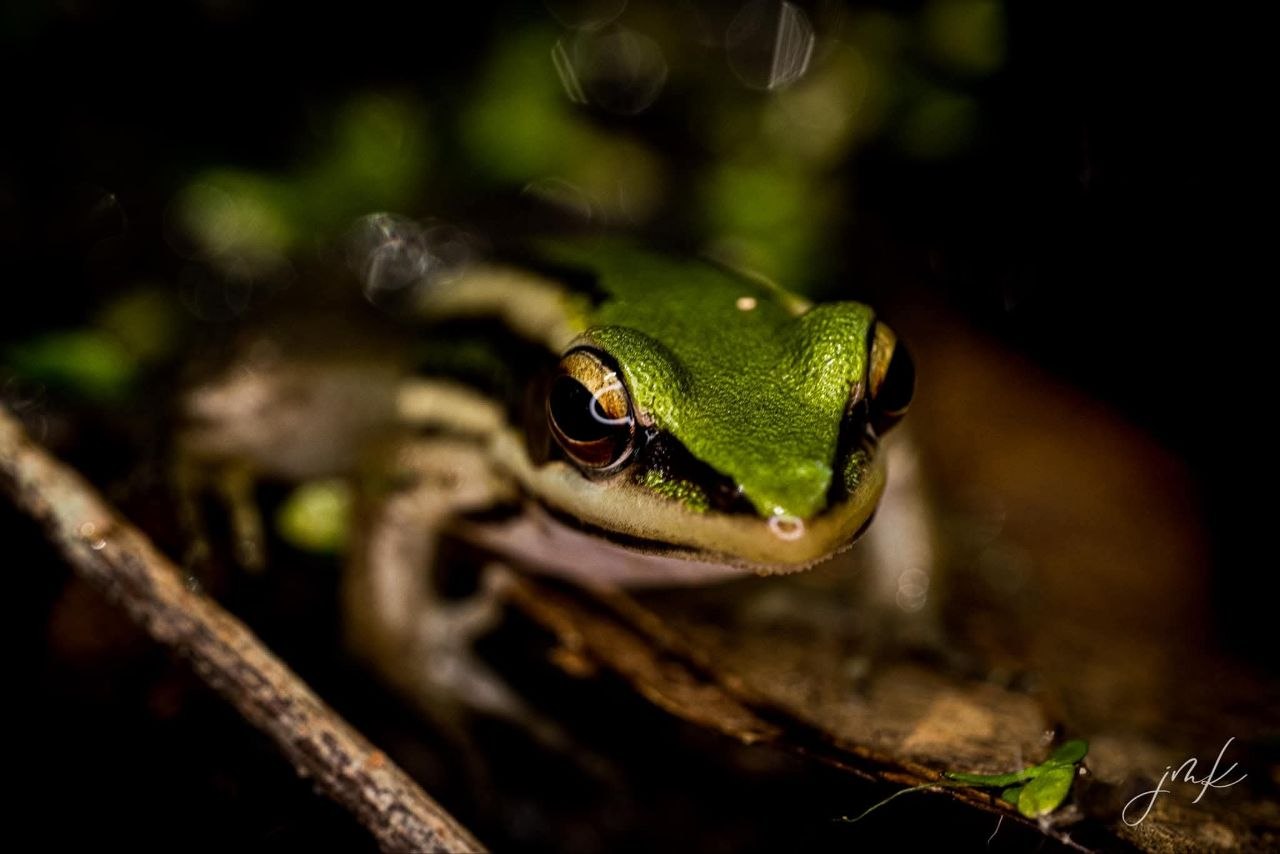
- Insects & Amphibians: Spotting praying mantises, butterflies, and dragonflies, alongside searching for frogs and amphibians in their micro-habitats.
- Mushrooms (wet season): Exploration of the tropical fungal world, discovering sporocarps and understanding their vital role in decomposition and organic matter recycling.
2- Khmer botany & ethnobotany
Along the trail, decoding the plant cover through traditional uses and applied botany:
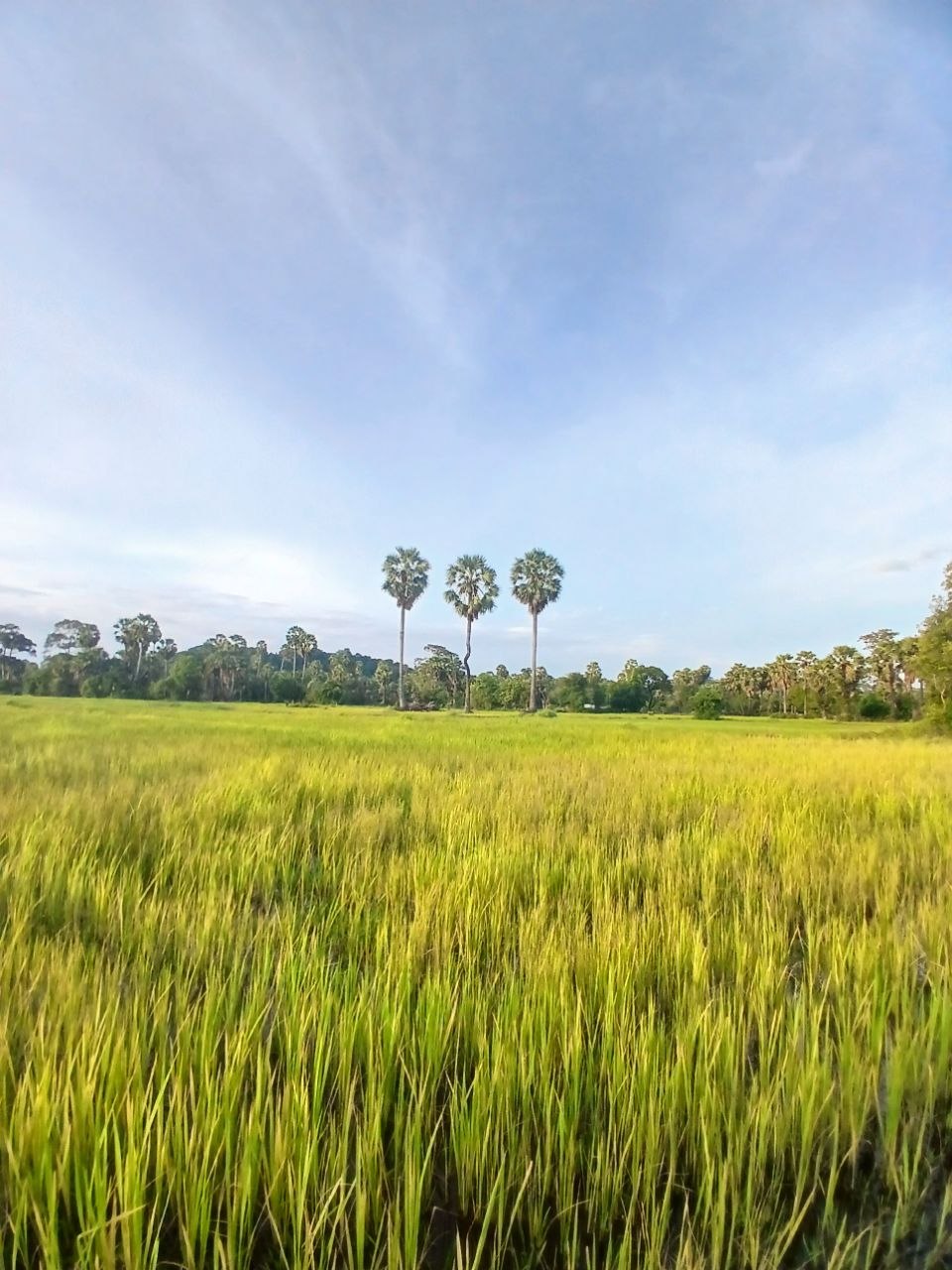
- Sugar Palm (Borassus flabellifer): Detailed study of the multiple uses of this iconic Cambodian tree—from sap harvesting and leaf weaving to timber construction.
- Dipterocarp Forest: Immersion beneath the canopy of forest giants; discovery of traditional resin extraction (oleoresin) and the structure of these tropical woods.
- Edible & Toxic Plants: Field identification of wild herbs, edible shoots, and toxic plants of the Khmer bush. Learn to recognize what feeds, heals, or poses a danger.
3 – ecological approach & threats to biodiversity
A cross-disciplinary scientific reading of landscapes to understand how ecosystems function:
- Landscape Mosaic: Understanding ecological interactions between wetlands, traditional rice paddies, and forest patches.
- Human Practices & Impact: On-field analysis of threats facing biodiversity (pesticide use, habitat fragmentation, deforestation) and insights on preserving Angkor’s fragile species.
Practical Information
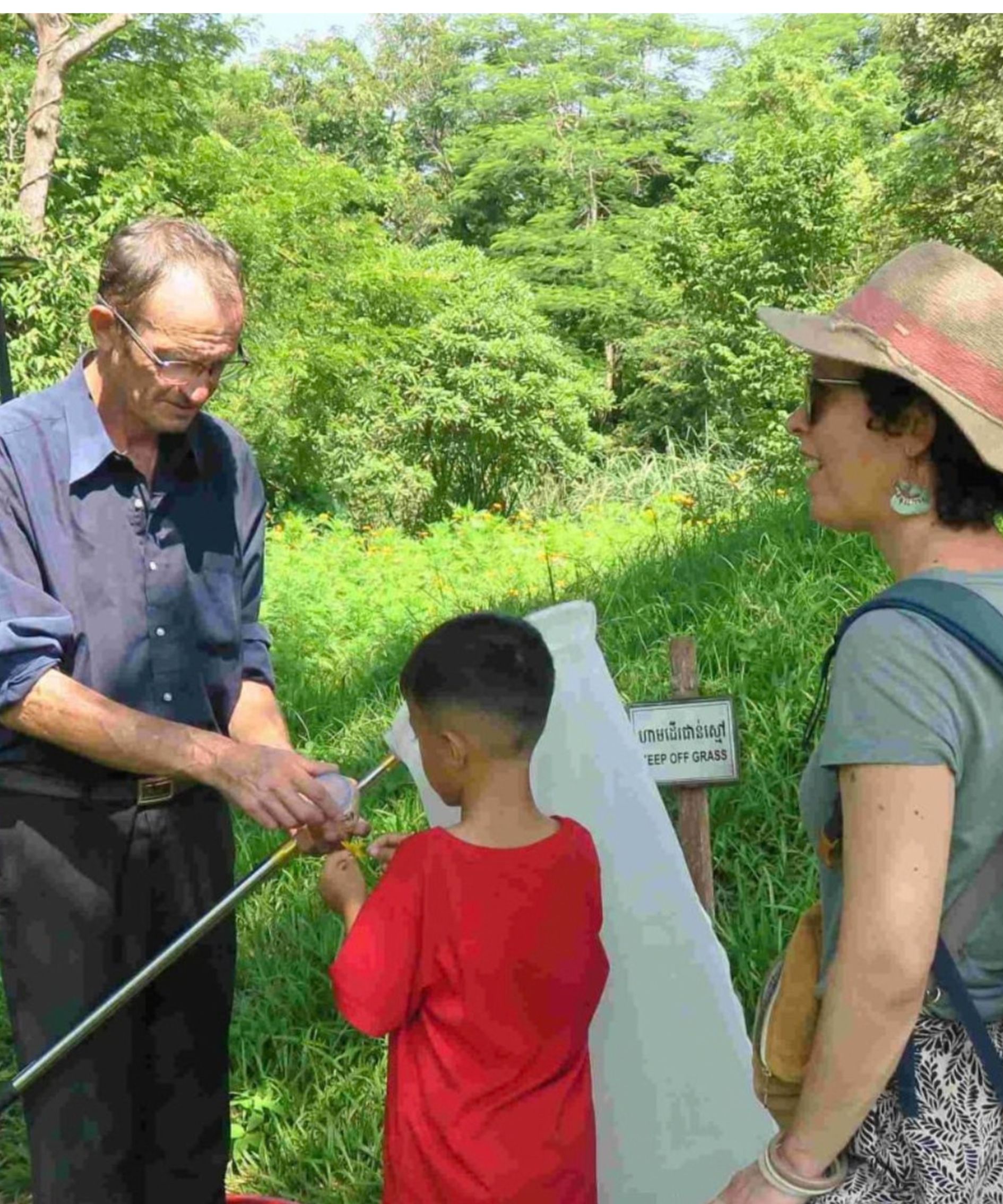
Recommended Gear: Closed-toe walking shoes, light clothing covering
arms and legs (sun and insect protection), hat, binoculars, camera, water bottle.
Included: Scientific guiding by Christophe Guénolé( Environmental
Naturalist Researcher),observation equipment (field magnifiers), fresh water.